

We salute them all for their classic and iconic consumer products.
We love you!
accessories



NATHAN CLARK
1895 – 1982
Founded in 1825, Clarks began when brothers Cyrus and James set out to manufacture rugs and slippers, among other things. Originally known as C. & J. Clarks, the British brand as we know it developed in the aftermath of World War II, under the stewardship of Nathan Clark, a descendant of co-founder James Clark.
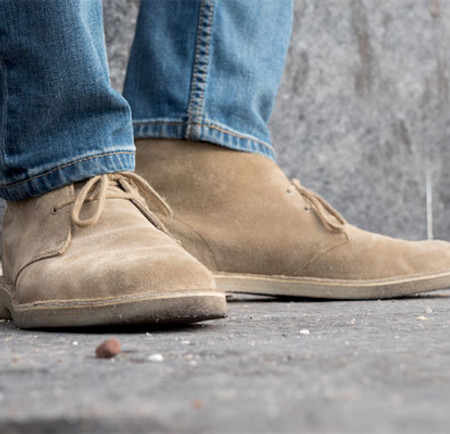
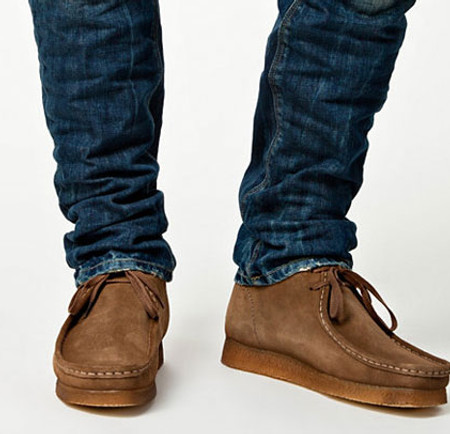
Nathan Clark served in the Royal Army Service Corps during the War, where he studied standard issue military gear. While stationed in Burma, Nathan Clark came across soldiers who had served in North Africa and were issued ankle-height suede boots with crepe soles—an Anglo-Egyptian hybrid boot similar to the footwear worn by Dutch voortrekkers.
Clark jotted down some quick notes and rough sketches and sent them back home. When he returned to England, he was adamant that Clarks needed to create its own version of the so-called “Desert Boot.” Released in 1950, the Clarks Desert Boot featured a two-piece suede upper and a comfortable but rugged crepe sole—still a Clarks’ hallmark nearly 70 years later. The Desert Boot is arguably the most important piece of footwear Clarks ever created. On top of paving the way to commercial success, the Desert Boot was also the first Clarks shoe closely associated with noteworthy subcultures, which in turn helped solidify Clarks cultural significance across the globe.
Initially, Nathan Clark found the response to his Desert Boot tepid at best. That is until the Chicago Shoe Fair exhibition, where the brand received a glowing review in Esquire that highlighted the shoe’s casual versatility. With an elegant style and an affordable price, the Desert Boot became a staple for a new class of “creative intellectuals”: the Beatniks. Throughout the United States the Desert Boot spread on the back of the Beat Generation, adored by those who were emulating the casual aesthetic of writers and intellectuals like Jack Kerouac.
By the ‘60s, Desert Boots were marketed as “the off-beat casual for up-beat intellectuals,” a not so subtle reference to their ubiquity within the closets of Beatniks. Building off that aesthetic association, the Desert Boot finally caught on in Clarks’ homeland, with a generation of English youth renowned for their modern—and, admittedly American—mode of dress, the Mods, embracing the crepe-soled suede chukka.
Throughout the ‘60s, the Desert Boot benefitted from a dual identity of sorts: revered in the U.S. for its British elegance and lusted after in Britain for its association with the decidedly American Beatniks. Embracing that duality, Clarks transformed the Desert Boot to shoe of choice for both creatives and antiheroes alike. Bob Dylan was a noted fan, while George Harrison wore a pair for the cover of Abbey Road.
That said, few embodied the Desert Boot’s identity quite like the late Steve McQueen. McQueen's roles in Bullitt, The Thomas Crown Affair and The Great Escape solidified him as an Americana style icon. McQueen’s choice footwear? Desert Boots, naturally. Given so many notable associations, it’s no surprise that the Desert Boot found a place at the heart of preppy menswear acolytes’ footwear rotations.
Source: grailed.com